
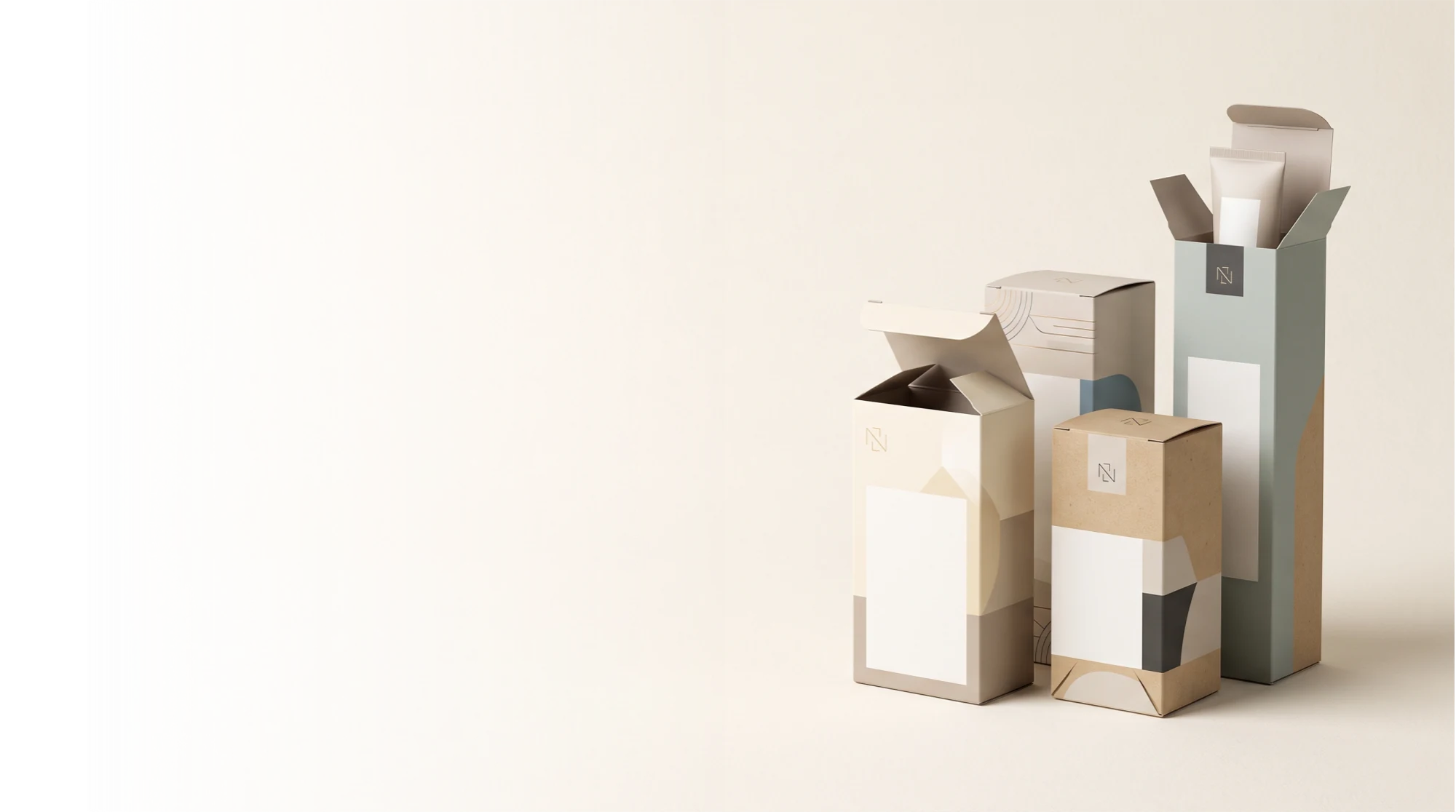
Custom Tuck End Boxes — Straight, Reverse & Top-Load
The most widely used folding-carton format, built the way your product and your shelf actually need it, front-load or top-load, cost-focused or shelf-ready.
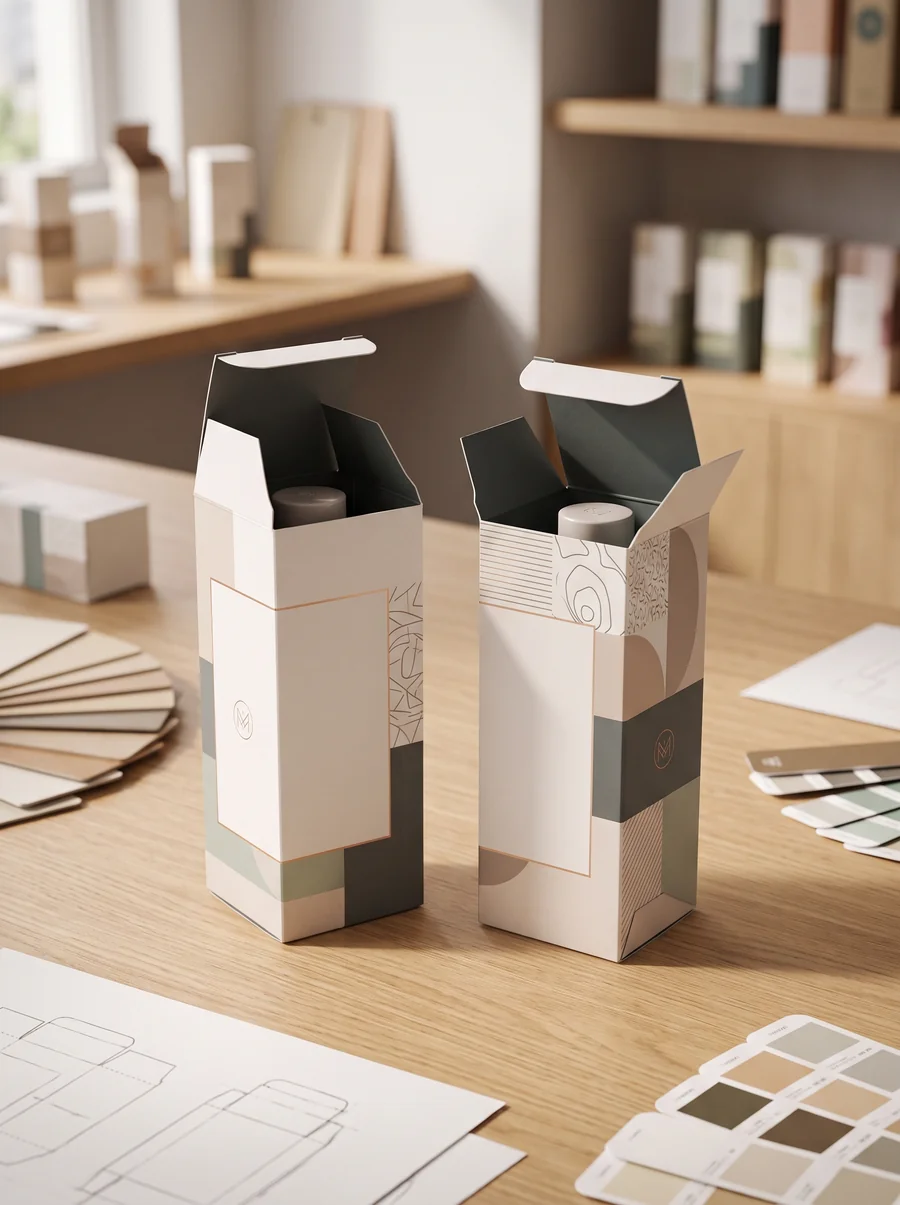
What Is a Tuck-End Box, and Which Direction Do You Need?
Tuck end boxes are folding cartons that close through flaps tucking into slots at each end, without tape or glue on the closure itself. They're the most common carton format in retail packaging, and the first real decision is direction: straight tuck end or reverse tuck end, which changes how the box looks on a shelf, not just how it's made.
Most suppliers quote whichever variant they already have tooled up and let the buyer figure out the rest, closure type, opening direction, base construction, after the fact. The sections below walk through each of those decisions in the order that actually matters: direction first, then how the box opens, then how it locks shut.
Shahwaze Packaging manufactures custom tuck boxes and custom tuck end boxes for retail, food, cosmetic, pharma, and gift brands across the USA, see our Retail Packaging, Food Packaging, and Gift Packaging pages for industry-specific detail. Every carton is built from a dieline matched to your product, not pulled from a generic template.
Straight vs. Reverse Tuck End: What's the Difference?
This is the one decision that actually changes how the box looks, not just how it's assembled. Both close the same way at a glance, but the direction the flaps tuck changes what happens to the front-facing panel:
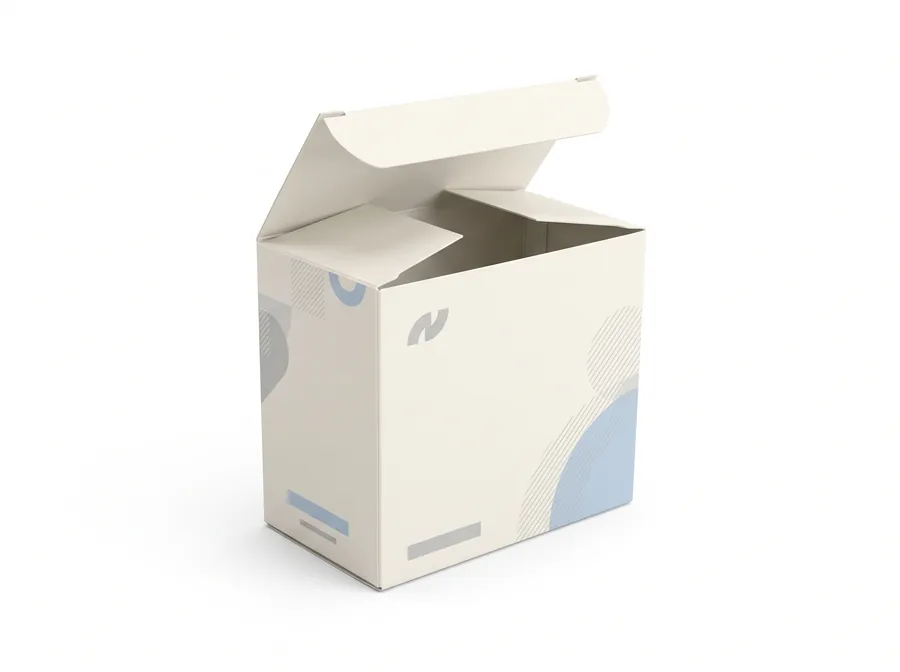
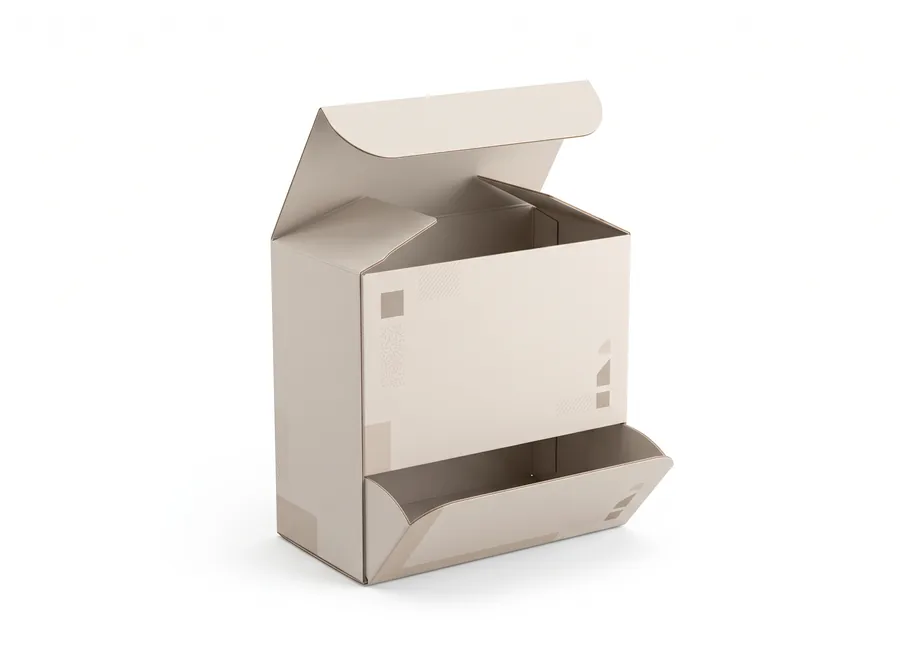
If your box has to look continuous and clean from the front, reverse tuck end is the standard choice, which is why cosmetics and pharma cartons default to it. If cost and simplicity matter more, straight tuck end does the job for less. For industry-specific structure guidance, see our Cosmetic Packaging and Pharmaceutical Packaging pages.
Tuck Top Boxes: When Top-Loading Beats Front-Load
Straight and reverse tuck end boxes both open from the front. Tuck top boxes open from the top instead, the whole front panel stays intact and the product is accessed through a top flap.
Two situations call for a top-loader over a front-loader: tall or bulky products that don't sit well behind a front flap (candles, tall bottles, stacked multi-item sets) load more naturally from above, and cartons that get opened and re-closed many times hold up better as a top-loader since the front panel and its graphic never take the wear of repeated flap use.
If neither applies, a single product, opened once at unboxing, a front-loading straight or reverse tuck end is usually the simpler and cheaper choice.
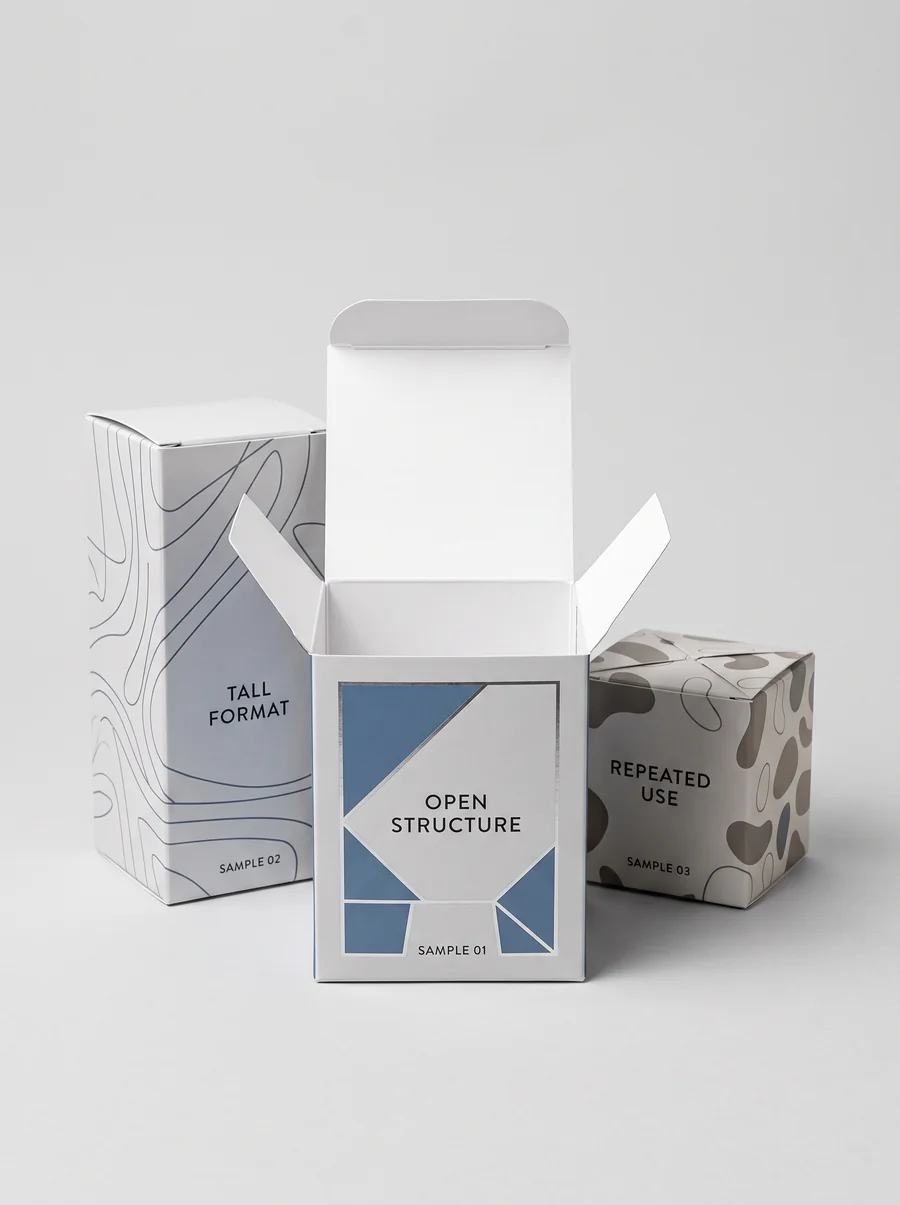
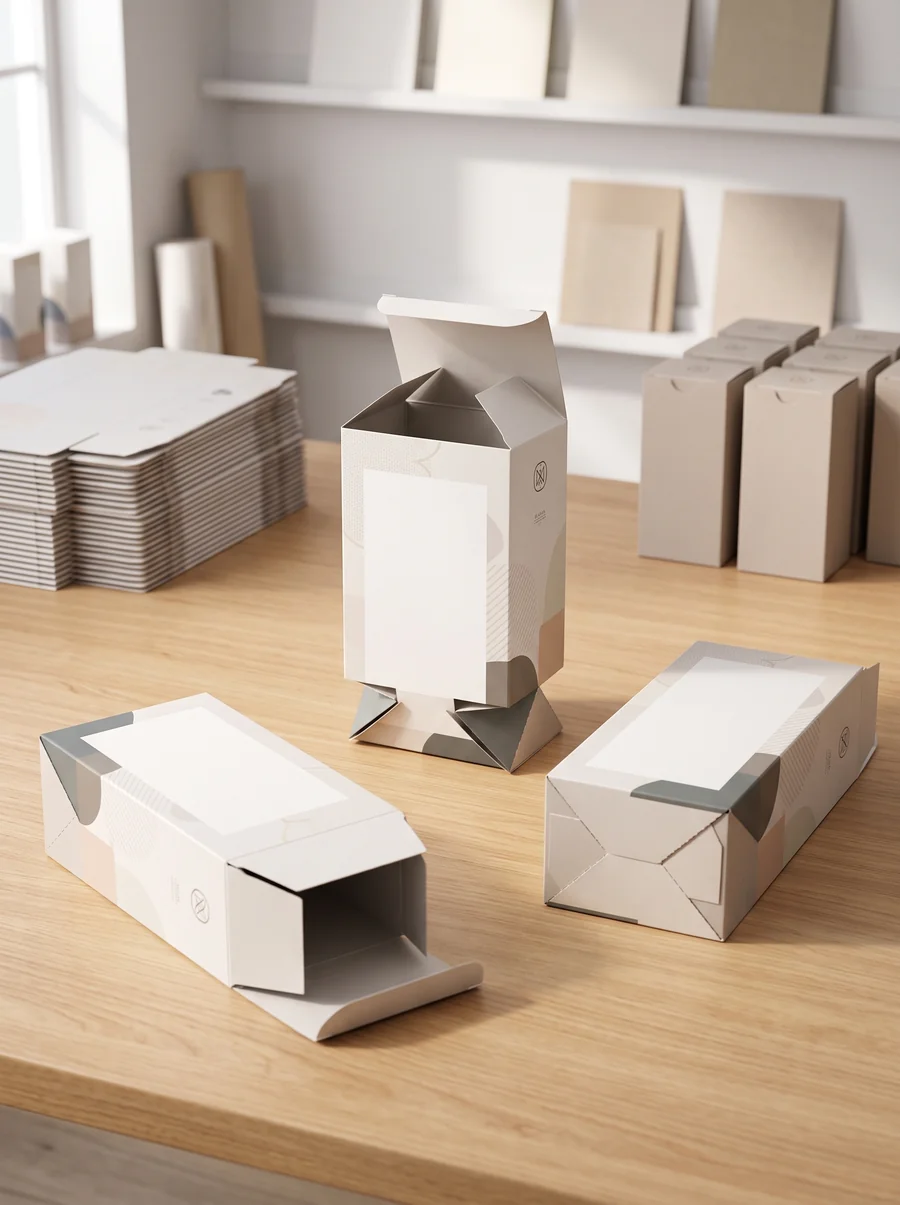
Tuck Top Auto Bottom Boxes: Faster Assembly, Less Labor
A standard tuck-end box needs its base folded and tucked by hand. Tuck top auto bottom boxes, sometimes called a 1-2-3 bottom or snap-lock base, fold flat and lock into a finished base with a single push, no manual folding or gluing at the base.
The trade-off is a marginally higher board cost for the extra base panel geometry, against a genuinely faster pack time at the base, worth it once you're assembling more than a handful of boxes a day by hand. For low-volume or one-off runs, a standard tuck bottom is simpler to spec and cheaper.
Tab Lock, Tongue Lock, Cherry Lock & Thumb Cut: A Closure Guide
Tab lock, tongue lock, cherry lock, and thumb cut are common terms on a tuck-end spec sheet, and they get used almost interchangeably even though they do different jobs, some hold the box shut, one is built for easy access rather than security. Tab lock boxes are the most widely used of the four.
Tab lock and tongue lock are true closures, they hold the box shut. Cherry lock is closer to a styling choice than a security feature. Thumb cut is a different category entirely: it's an opening mechanism, not a way to keep the box sealed in transit. Some of these same mechanisms also appear on mailer-style boxes — see our Mailer Boxes page if you're comparing closures across formats.
Tuck-End Box Styles: Straight, Reverse, Top-Load & More
Each line below is a distinct tuck-end configuration, including standard custom tuck flap boxes, with full branding available on every panel:
 01
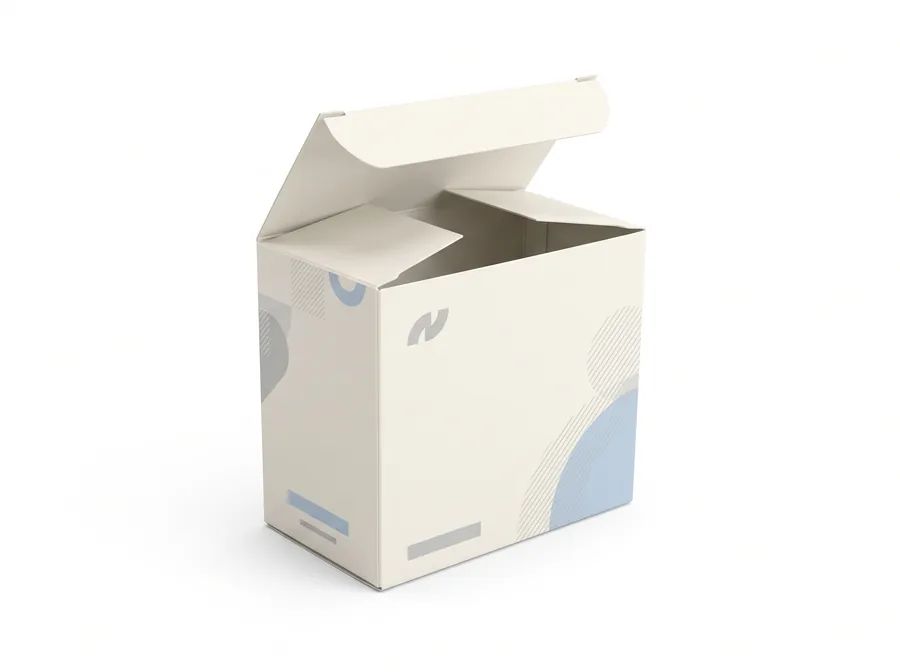
01Straight tuck end boxes
Same-direction flap closure, the standard, cost-efficient retail carton.
 02
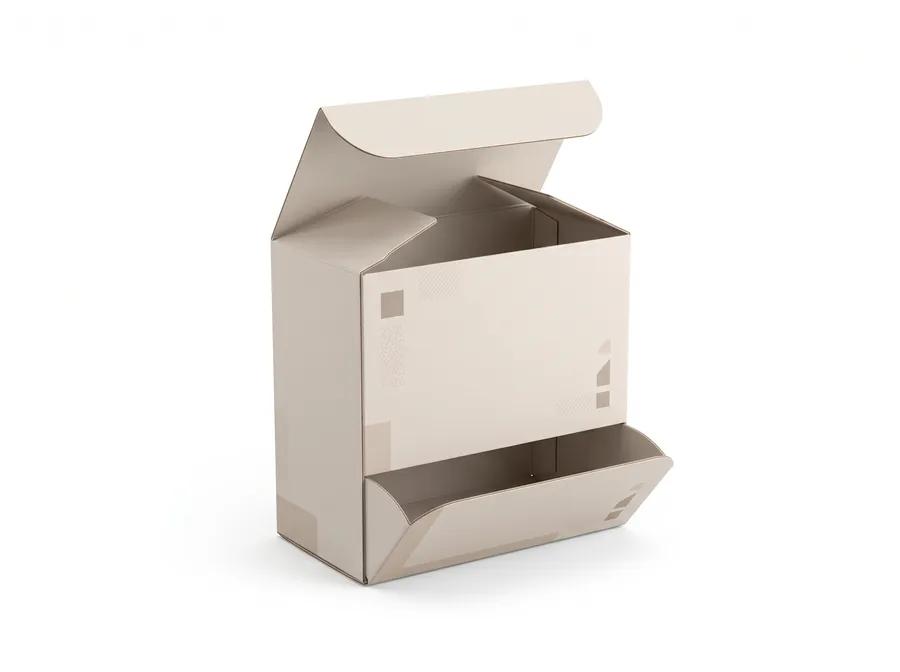
02Reverse tuck end boxes
Opposite-direction flaps for a continuous, uninterrupted front panel.
 03
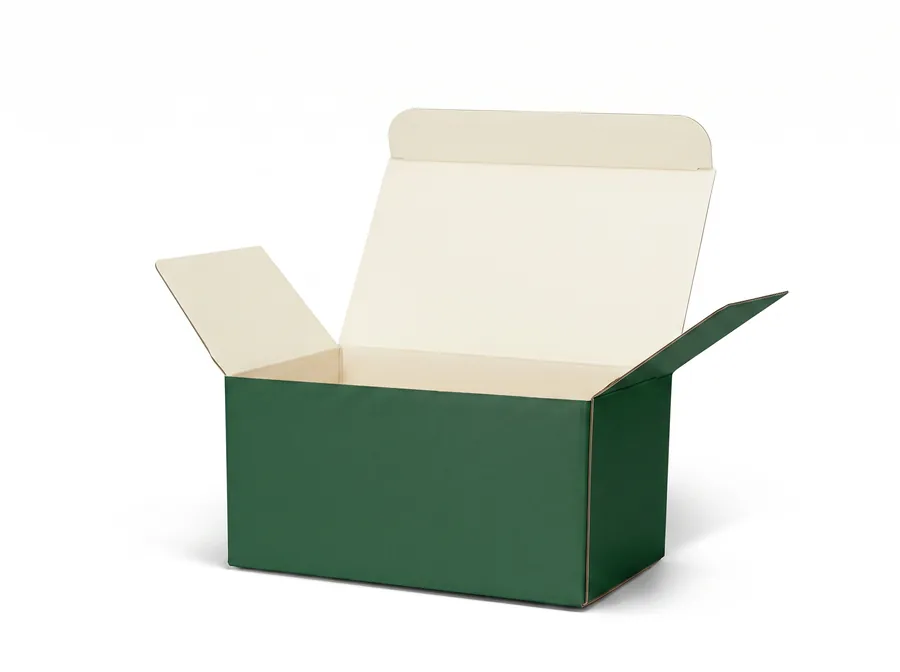
03Tuck top boxes
Top-loading format for tall products or repeated opening.
 04
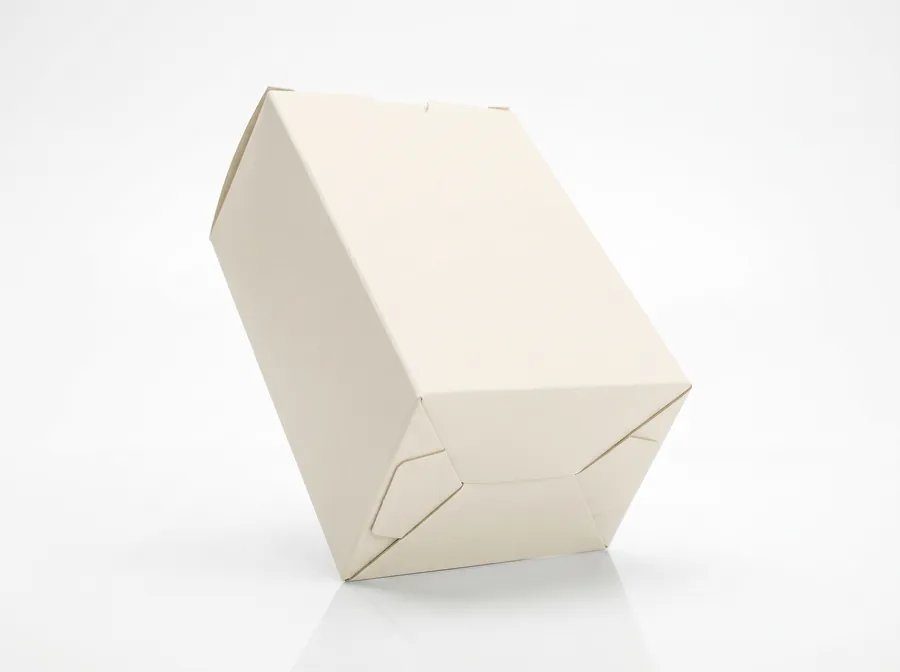
04Auto-bottom tuck boxes
Self-forming snap-lock base for faster hand-pack assembly.
 05
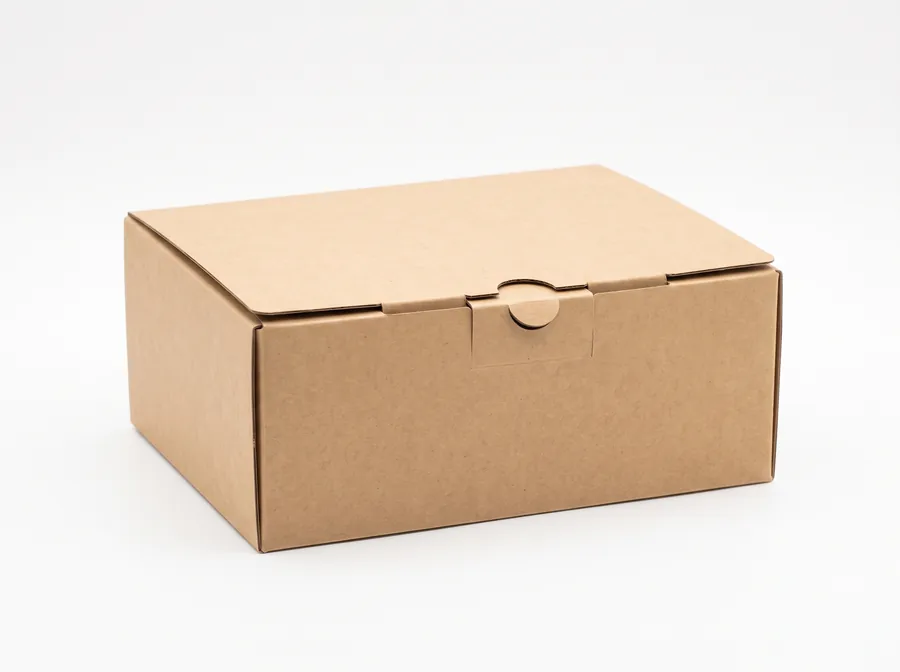
05Tab lock boxes
Fast, low-cost tab or tongue closure for everyday cartons.
 06
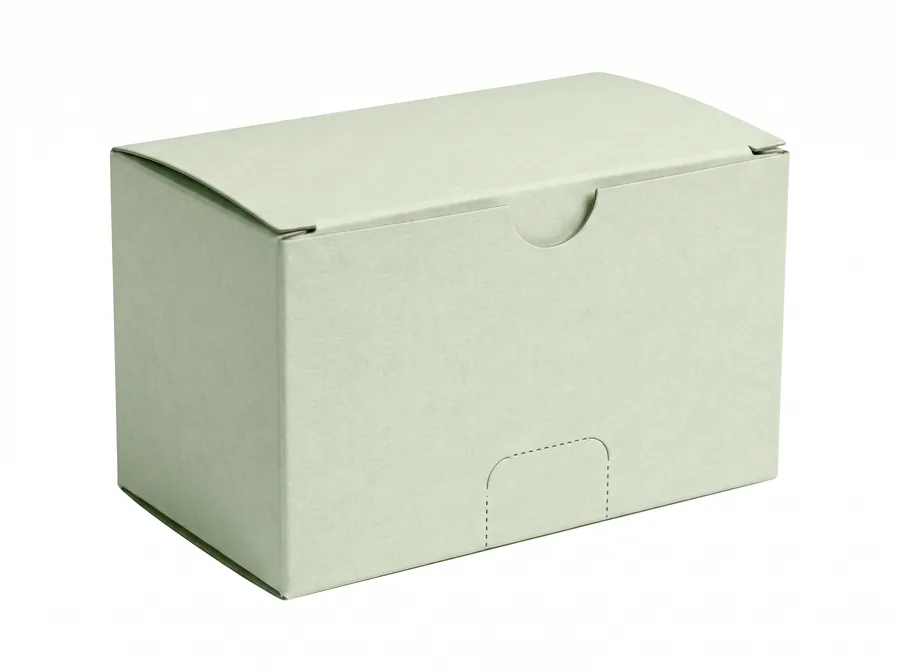
06Thumb cut tuck boxes
Dispensing-style partial-open notch for repeat-use retail cartons.
Materials, Printing & Finishes for Custom Tuck Boxes
Board weight scales with the product, not the box style, a straight or reverse tuck end can run anywhere from a light 12pt cosmetic carton to a heavier 24pt board for a takeout or retail box that needs to hold real weight. SBS paperboard is the standard stock; kraft and recycled options are available where sustainability positioning matters more than a bright white finish.
For material-specific detail beyond what a tuck-end structure needs, see our Kraft Boxes and Cardboard Boxes material pages.
Printing runs full CMYK or exact Pantone matching, interior and exterior, which matters most on a reverse tuck end where the front panel is carrying the whole design uninterrupted. Finishes, matte or gloss lamination, soft-touch, spot UV, foil, layer on top of that, and add-ons like die-cut windows, hang tabs, and custom inserts cover most retail merchandising needs without leaving the tuck-end format.
Why Brands Choose Shahwaze for Tuck-End Boxes
Direction recommended, not assumed
We ask what the front panel needs to do before defaulting to straight or reverse, most suppliers just quote whichever they already have tooled up.
Every structural variant under one roof
Straight, reverse, tuck-top, and auto-bottom from a single manufacturer, so your product line stays visually consistent even if different SKUs need different structures.
Dielines stored for reorders
Your specification stays on file, so a reorder matches the original exactly.
Low minimums to wholesale
Test a design at low volume, often 100–500 units for a first run, then scale to wholesale pricing.
Free samples before production
A physical sample you can fold, close, and test before committing to a full run.
Tuck-End Boxes FAQs
A tuck end box is a folding carton that closes when flaps tuck into slots at each end, without tape or glue on the closure. It's the most common structural format in retail packaging.
Choose reverse tuck end if the front panel carries your main brand graphic and needs to look uninterrupted — the flaps tuck in opposite directions so no crease breaks the design, which is why cosmetics and pharma cartons default to it. Choose straight tuck end if cost and simplicity matter more than a continuous front panel; both flaps tuck the same direction, leaving a visible seam but costing less to produce.
A carton that opens from the top instead of the front. Suited to tall or bulky products, or anything that gets opened and re-closed repeatedly without wanting to disturb the front panel.
Also called a 1-2-3 bottom or snap-lock base — the base folds flat and locks with a single push instead of being folded and tucked by hand. Faster to assemble at volume, at a small increase in board cost.
Both are closures. Tab lock uses a single tab in a die-cut slit — fast and low-cost. Tongue lock uses a longer tongue tucked under the opposite flap for a firmer hold on mid-weight products.
A thumb-sized notch cut into the panel that lets a customer partially open the box and remove one item without lifting the full lid. It's an opening feature for repeat-use retail cartons, not a security closure.
Yes — full CMYK or Pantone printing on custom tuck boxes, with matte, gloss, soft-touch, spot UV, and foil finish options.
Yes — wholesale pricing at volume, with low minimums (often 100–500 units) available for a first production run.
SBS paperboard from 12pt to 24pt depending on product weight, plus kraft and recycled stock options.
The timeline depends on order size, structure, and finish. We'll confirm an exact production and delivery estimate when you request a quote, and rush options are available for time-sensitive launches.
Yes — a physical sample you can fold, close, and test before committing to production.
Get a Tuck-End Box Built for Your Product
Stop defaulting to whichever structure your supplier already has tooled up. Tell us your product and shelf context, and we'll recommend the right tuck end boxes build, free quote, no obligation.