
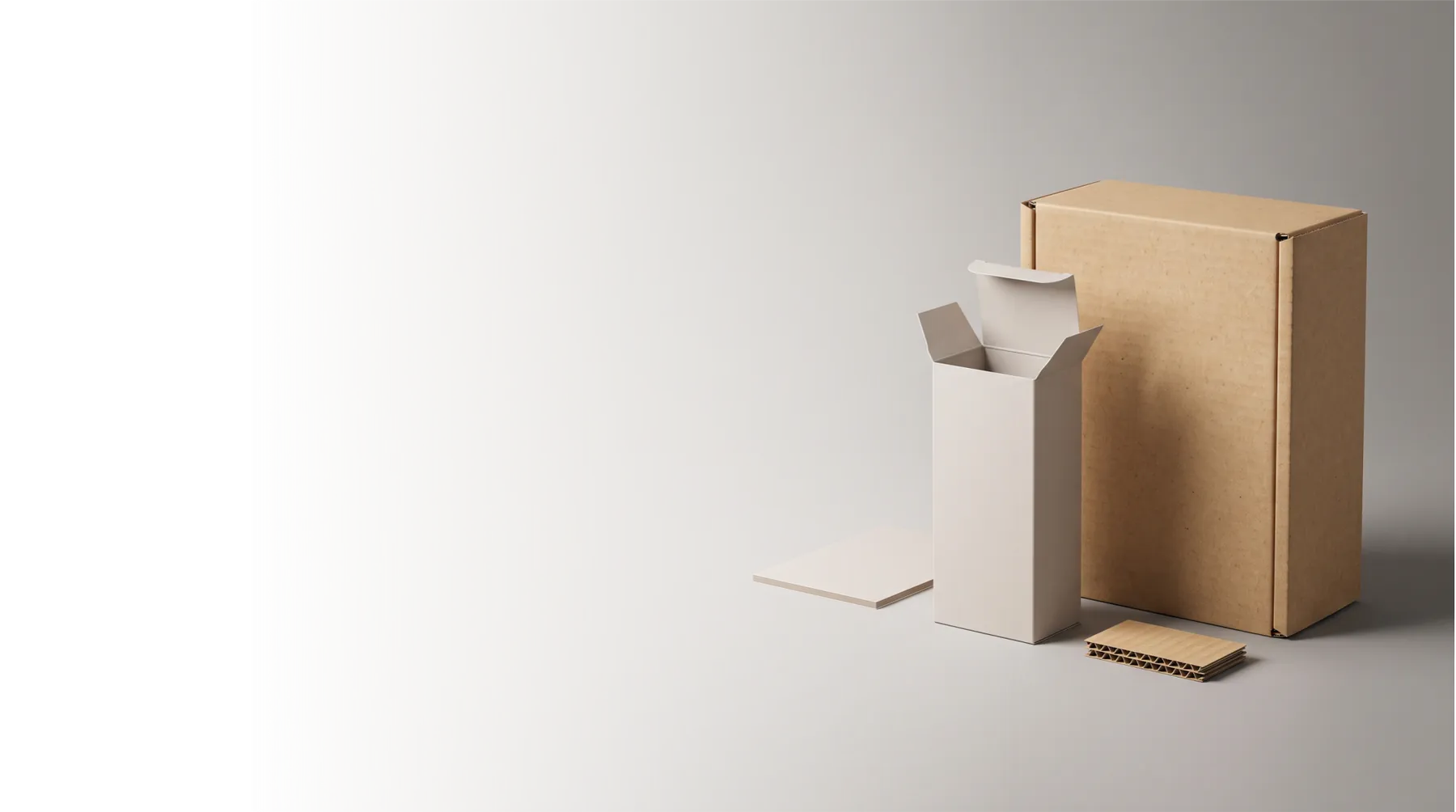
Custom Cardboard Boxes: Know Which "Cardboard" You Need
"Cardboard" means two different materials in this industry. We'll help you order the right one.
What Does "Cardboard" Actually Mean?
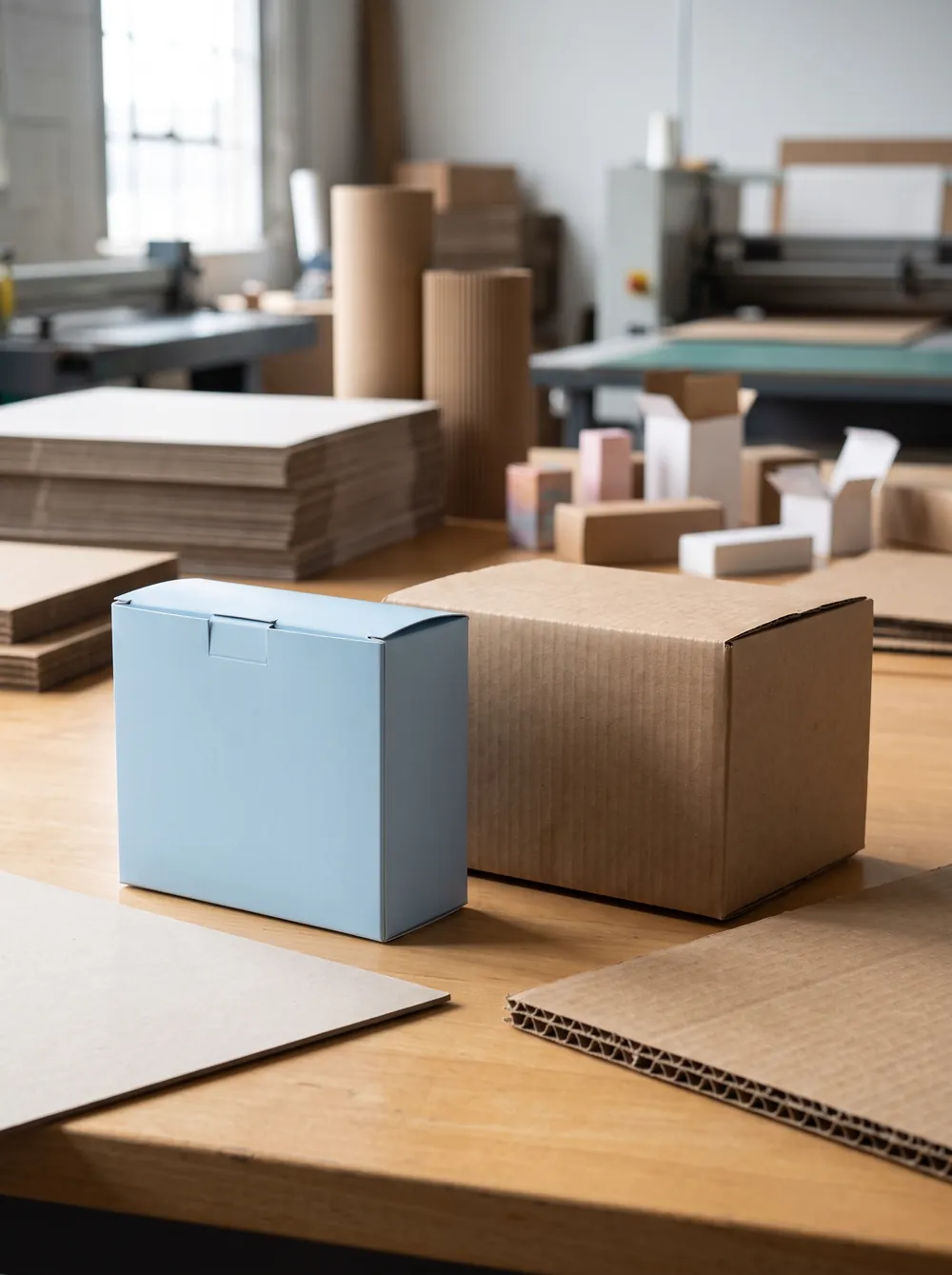
Custom cardboard boxes is a term used loosely for two genuinely different materials: thin paperboard (the smooth, single-layer stock used for cereal boxes and folding cartons) and thicker corrugated fiberboard (the fluted material used for shipping boxes). Most buyers say "cardboard" without knowing which one they actually need, and ordering the wrong one means either a flimsy retail box or an overbuilt, overpriced shipping carton.
At Shahwaze, we don't just quote "cardboard" and let you guess. We ask what the box needs to survive before recommending the material underneath the word.
Shahwaze Packaging manufactures cardboard packaging boxes for retail, food, cosmetic, and gift brands across the USA. See our Retail Packaging, Food Packaging, and Cosmetic Packaging pages for industry-specific detail. Standard tuck-end cartons are built on this same paperboard material, see our Tuck-End Boxes style page.
Paperboard or Corrugated: Not the Same Material
This is the decision hiding behind the word "cardboard," worth spelling out clearly before you order.
"Cardboard" on this page refers to paperboard, the retail-carton material. For shipping-grade corrugated, see our Corrugated Boxes material page.
What Heavy Duty Cardboard Boxes Actually Are
Even within paperboard, thickness varies, and it matters more than most buyers expect. Heavy duty cardboard boxes use a thicker caliper stock, still a single layer, not corrugated, but stiff enough to hold shape under real product weight without the bulk of a corrugated shipper.
This is the middle ground worth knowing about: if a standard paperboard box feels too flimsy for your product but a full corrugated shipper feels like overkill, a heavier-caliper paperboard box is often the right answer, with lower cost and lower shipping weight than corrugated, and more structure than standard stock.
Tell us your product's weight and how it's handled. We'll recommend standard, heavy-duty, or corrugated, honestly.
Common Uses for Paperboard Cardboard Boxes
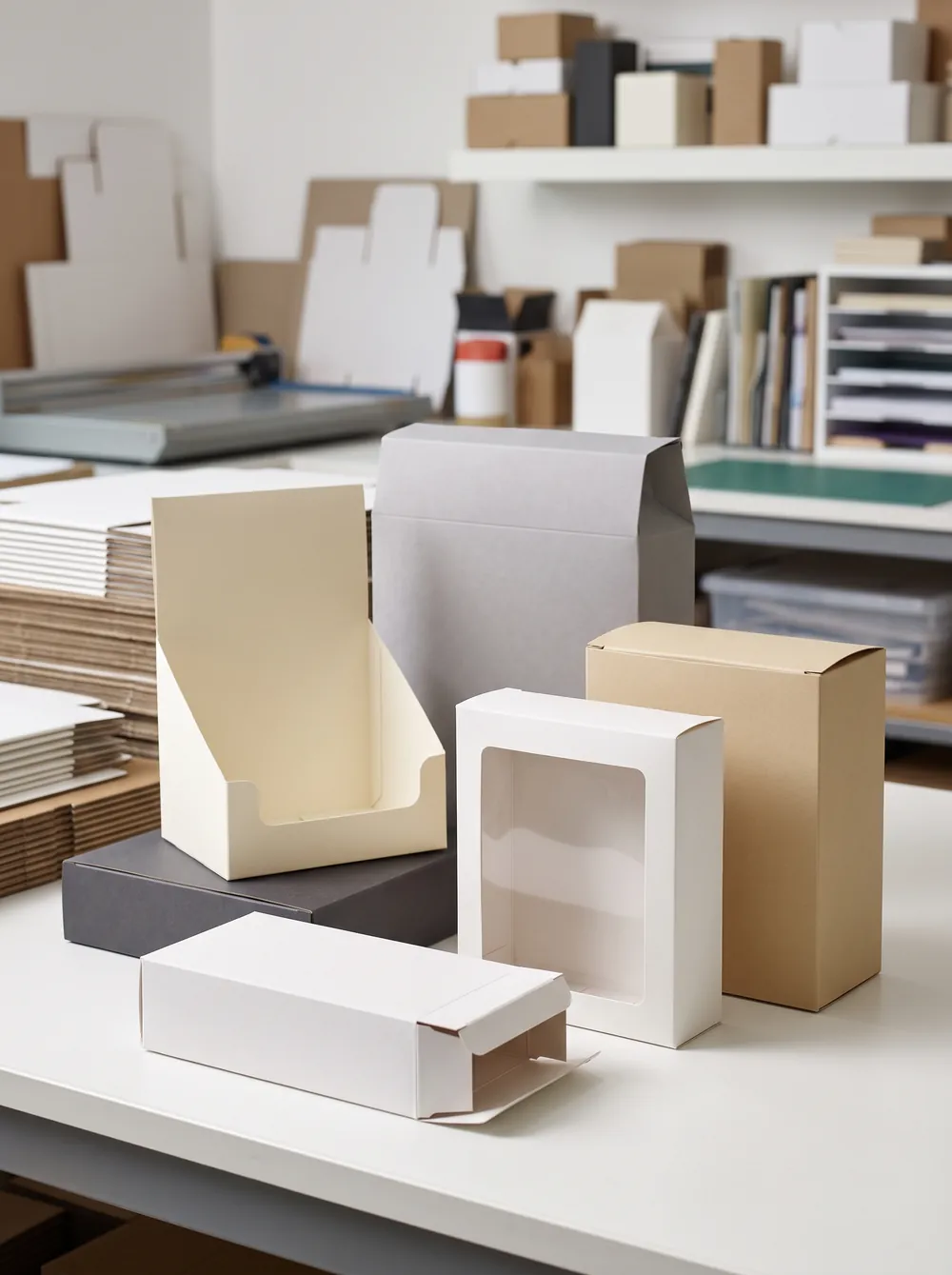
Paperboard is one of the most common materials across the styles we build. Here's where it's already in use:
- Tuck-end cartons. The most common cardboard application. Straight and reverse tuck-end boxes are typically built directly on this paperboard. See our Tuck-End Boxes style page.
- Display boxes. Cardboard display boxes are one of our most requested combinations. Folding boxboard for lighter counter units. See our Display Boxes style page.
- Window boxes. Cardboard window boxes for everyday retail cartons with a die-cut or film window. See our Window Boxes style page.
- Gift and retail cartons. Standard paperboard construction across most folding-carton work. See our Gift Packaging page.
Which Products Work Best in Cardboard Boxes
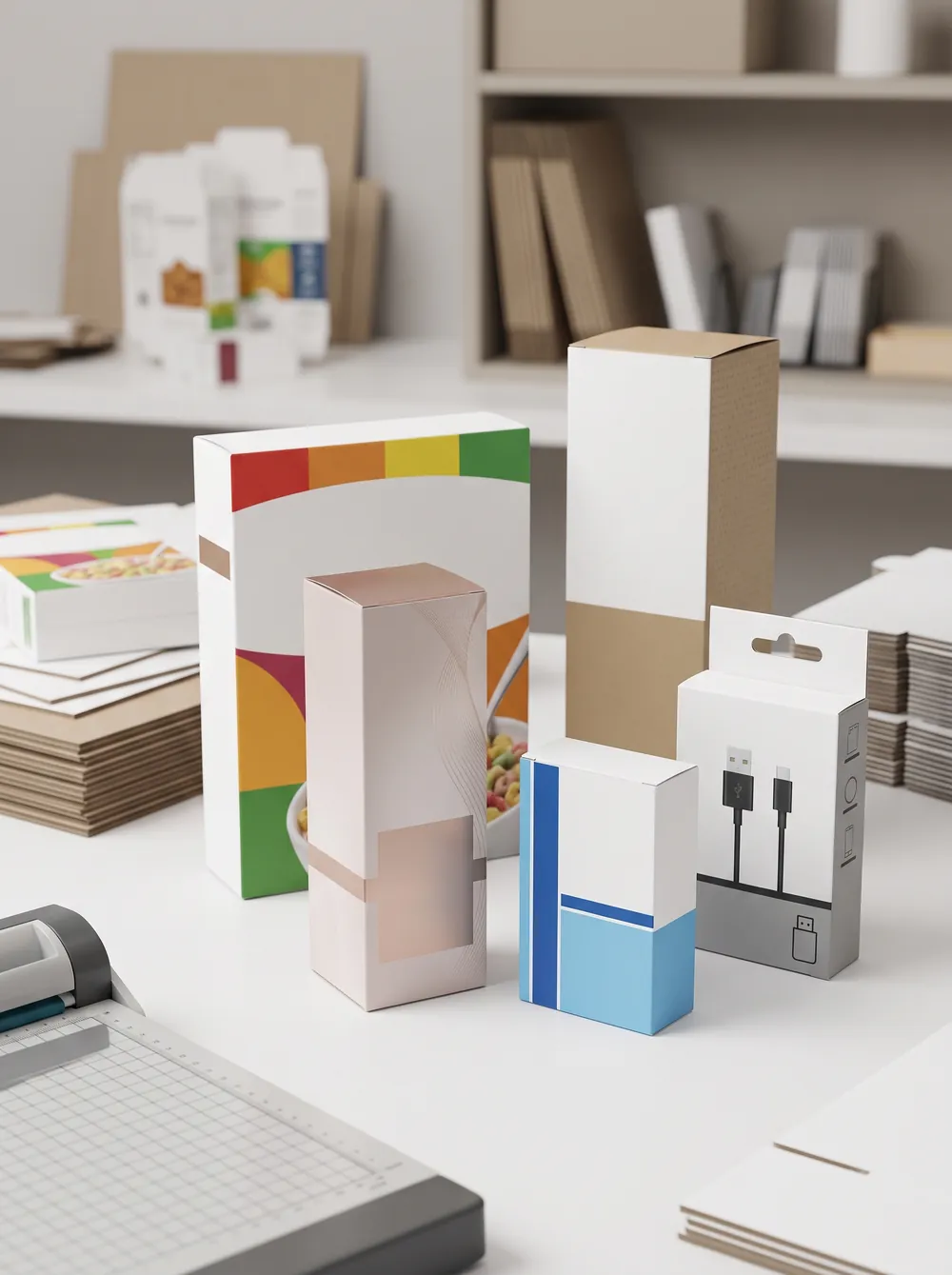
Three industries account for most cardboard box use, and paperboard's smooth print surface is usually the reason why.
- Cosmetics and beauty. The single most common use. Cosmetic cartons need sharp, accurate colour printing, and paperboard delivers that better than almost any other material. See our Cosmetic Packaging page for related structures.
- Food and beverage. Cereal, frozen food, snacks, and dry goods are packed in paperboard cartons across the industry, food-safe when specified correctly, and printable enough for real shelf presence.
- Pharmaceutical and healthcare. Medicine cartons and OTC packaging rely on paperboard for its stiffness, clean print surface, and reliable folding. See our Pharmaceutical Packaging page for compliance-specific detail.
- Electronics and consumer goods. Small electronics accessories, along with general retail and gift items, round out the common use cases where a lightweight but structured box matters more than shipping-grade strength.
Cardboard Box Options We Manufacture
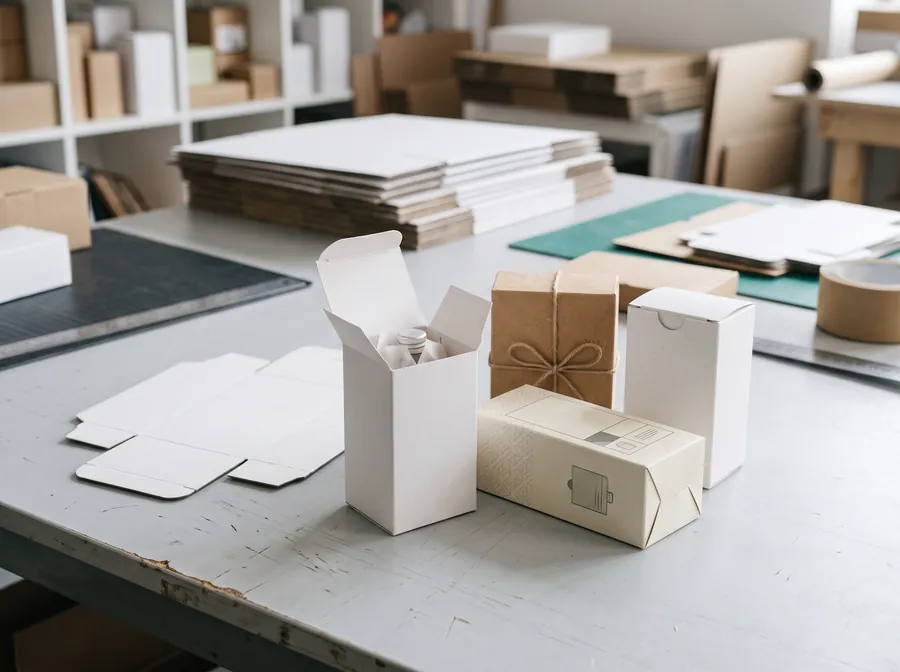 01
01Standard cardboard boxes
Everyday paperboard folding cartons for retail and gifting.
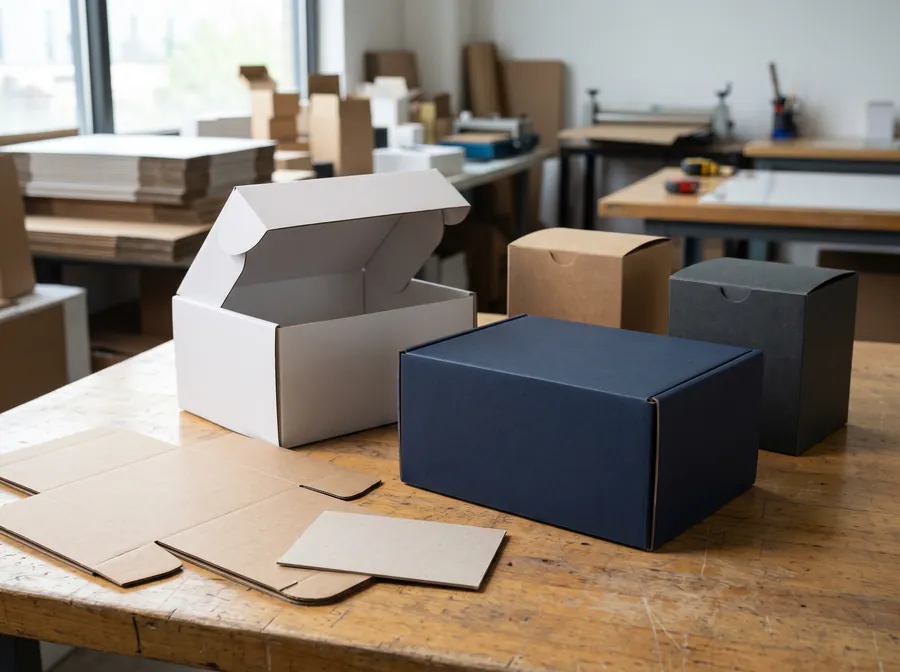 02
02Heavy duty cardboard boxes
Thicker-caliper paperboard for products needing more structure.
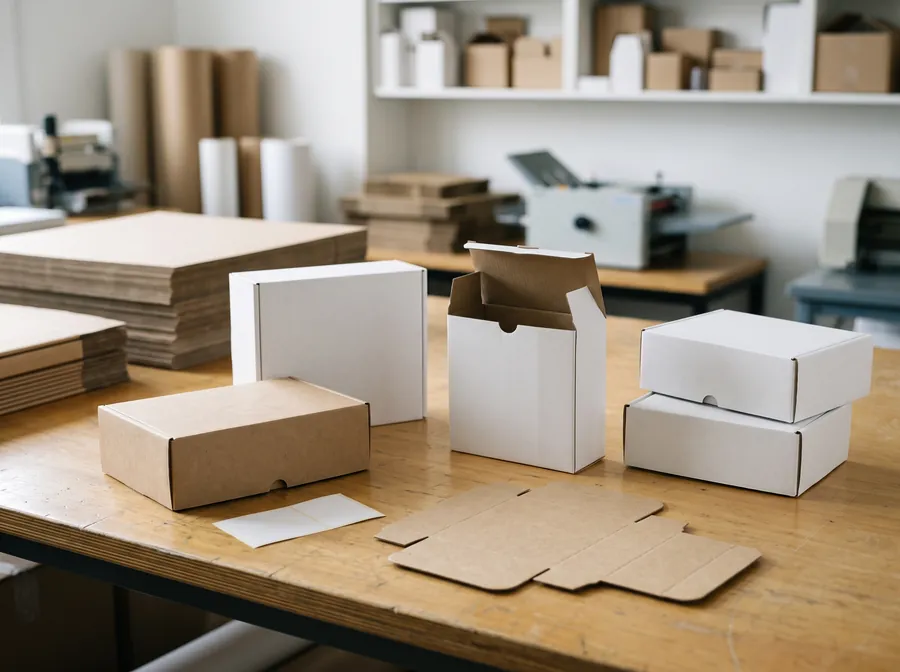 03
03Plain cardboard boxes
Unprinted stock for internal use or brands supplying their own labels.
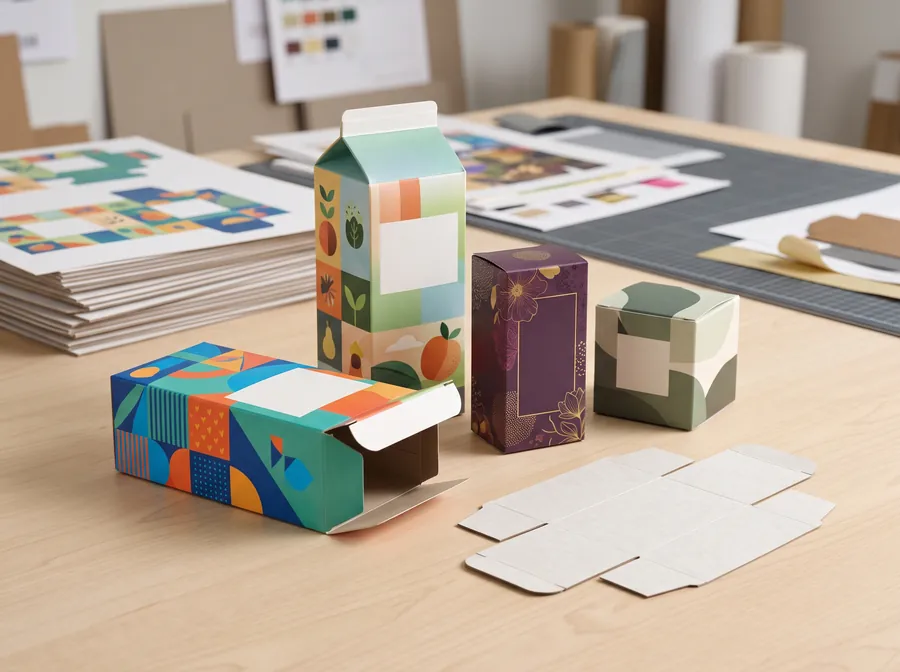 04
04Printed cardboard boxes
Full-colour branded cartons across our standard paperboard range.
Cardboard Box Specs: Thickness, Printing & Finishes
Paperboard is specified by caliper (thickness) rather than a single fixed weight: lighter stock for small, light retail cartons, heavier stock for anything that needs to hold its shape under real product weight. In practical terms, that usually means somewhere in the 12pt to 24pt range, with the lighter end suited to small cosmetic or gift cartons and the heavier end suited to anything carrying real weight or handled roughly.
Coated one side or two sides
Paperboard also comes as C1S (coated one side) or C2S (coated two sides), and the difference is easy to miss until you're staring at a proof that doesn't look right. C1S gives a bright, print-ready surface on the outside face only, with a plain uncoated interior, the standard choice when only the outer panel needs to look polished. C2S coats both sides, which matters for boxes with visible printing inside and out, or anywhere the interior surface also needs to resist moisture or take a clean finish.
Printing runs full CMYK or Pantone directly on the smooth paperboard surface, sharper than what corrugated typically achieves. Finishes include matte or gloss lamination, spot UV, and foil. For a natural, eco-facing paperboard option, see our Kraft Boxes material page.
Sized to your product, not a size chart
Stock sizes fit a range of products approximately. A box built to your product's actual dimensions fits it exactly, which means less filler, a more premium unboxing, and often a smaller shipping footprint. Tell us your product's dimensions and we'll build to that, not the nearest size on a catalogue.
Paperboard is also one of the more straightforward materials to source responsibly. Recycled-content stock is widely available, and corrugated fibreboard broadly carries recovery rates above 90 percent across North America, a genuinely high figure as recyclable materials go.
Why Brands Choose Shahwaze for Cardboard Boxes
We ask before we quote "cardboard"
Paperboard or corrugated, standard or heavy-duty, recommended based on what the box has to survive, not the cheapest default.
Consistent caliper across reorders
Your specification stays on file, so a reorder six months later matches the original.
Low minimums to wholesale
Test a design at low volume, often 100 to 500 units for a first run, then scale to wholesale pricing.
Free samples before production
A physical sample so you can check structure and print quality before committing.
Frequently Asked Questions
"Cardboard" is used loosely for two materials: thin paperboard (a single smooth layer, used for retail cartons) and corrugated fiberboard (a thicker, fluted material used for shipping boxes). Most "custom cardboard boxes" orders mean paperboard.
Cardboard (paperboard) is a single smooth layer, light and good for sharp printing. Corrugated has a fluted middle layer between two flat sheets, making it thicker and better suited to shipping and heavier products.
If a standard paperboard box feels too flimsy but you don't need full shipping-grade strength, a thicker-caliper heavy duty paperboard box is often the better middle ground: lighter and cheaper than corrugated, sturdier than standard stock.
Yes, cardboard boxes wholesale pricing at volume, with low minimums (often 100 to 500 units) for a first production run.
Yes, full CMYK or Pantone printing directly on the paperboard surface, with matte, gloss, spot UV, and foil finish options.
Yes, see our Display Boxes page for the full range, including counter and floor display formats built in paperboard.
Yes, see our Window Boxes page for die-cut and film window options on standard paperboard.
Both are paper-based, but kraft is a specific pulping process that produces natural brown (or bleached white) stock, while "cardboard" here refers to standard printed paperboard, typically bright white for sharper colour printing. See our Kraft Boxes page for the natural-stock option.
Yes, plain cardboard boxes are available for brands applying their own labels or using the boxes internally.
It depends on the product's weight and how it's handled: lighter stock for small retail items, heavier caliper for anything that needs to hold its shape under real weight. Tell us your product and we'll recommend a thickness.
Yes, recycled-content paperboard is available. See our Kraft Boxes page for our most eco-positioned material option.
C1S (coated one side) has a print-ready surface on the outside only, with a plain interior, the standard choice for most retail cartons. C2S (coated two sides) coats both faces, used where the interior also needs to look clean or take a finish, such as a box with printed graphics visible inside.
Yes, we size to your product's actual dimensions rather than a stock chart, which cuts down on filler and often reduces shipping volume too.
Yes, a physical sample so you can check structure, thickness, and print quality before committing to production.
Get Cardboard Boxes Built the Right Way
Order the material you actually need, not just "cardboard." Get a free quote on custom cardboard boxes built for your product.